Harnessing solar energy is a great way to reduce utility bills, but the success of your project starts with your roof. Before beginning the solar panel installation process, it is essential to evaluate the surface that will support your new system. The condition, material, and age of your roof are all important factors that determine how smoothly the installation will go and how well your investment will perform for years to come.
Importance of Roof Condition Before Solar Panel Installation
Assessing the condition of your roof stands as a critical factor before proceeding with solar panel installations. A roof’s structural integrity significantly impacts the efficiency of your solar system, as any underlying issues can complicate the installation process. Even the most common roofing materials, such as asphalt shingles or metal roofs, need to be in good condition to support the added weight of solar panels. Prioritizing roof inspections ensures a solid foundation for your solar investment, protecting both your home and your energy production efforts.
How Roof Age and Structural Integrity Influence Solar Panel Placement
The age of a roof and its structural integrity are critical factors that determine the feasibility of solar panel placements. Older roofs may have weakened rafters and support systems, potentially compromising the solar panel installation process. Insufficient strength can lead to risks of damage, especially under the additional weight of solar arrays. Ensuring that your roof is in good condition not only enhances solar panel performance but also provides peace of mind for solar installers and homeowners alike.
Hidden Roofing Issues to Watch for in Dekalb, IL Homes
Several concealed roofing problems may impede solar panel installations, particularly in Dekalb, IL. A roof in poor condition can lead to hidden leaks and structural weaknesses, affecting both the integrity of the roof and the performance of the solar system. Additionally, issues like inadequate ventilation and rotting wood shingles can go unnoticed, creating risks that may result in costly repairs and potential damage. Addressing these concerns is essential for a successful solar investment and to ensure optimal energy production from your solar panels.
Roof Inspection Process by Boss Roofing Siding Experts
At Boss Roofing Siding Experts, we ensure your roof is solar-ready with a thorough inspection process. As a GAF President's Club Award winner, we use a detailed checklist to assess your roof’s condition—our way of Keeping Families Safe & Dry. Our team checks every detail to ensure your roof is fully prepared for solar installation.
We evaluate the structural integrity, including decking, rafters, and support systems, to confirm your roof can handle solar panels. Our inspection identifies any issues that could compromise long-term protection.
Our comprehensive inspection covers:
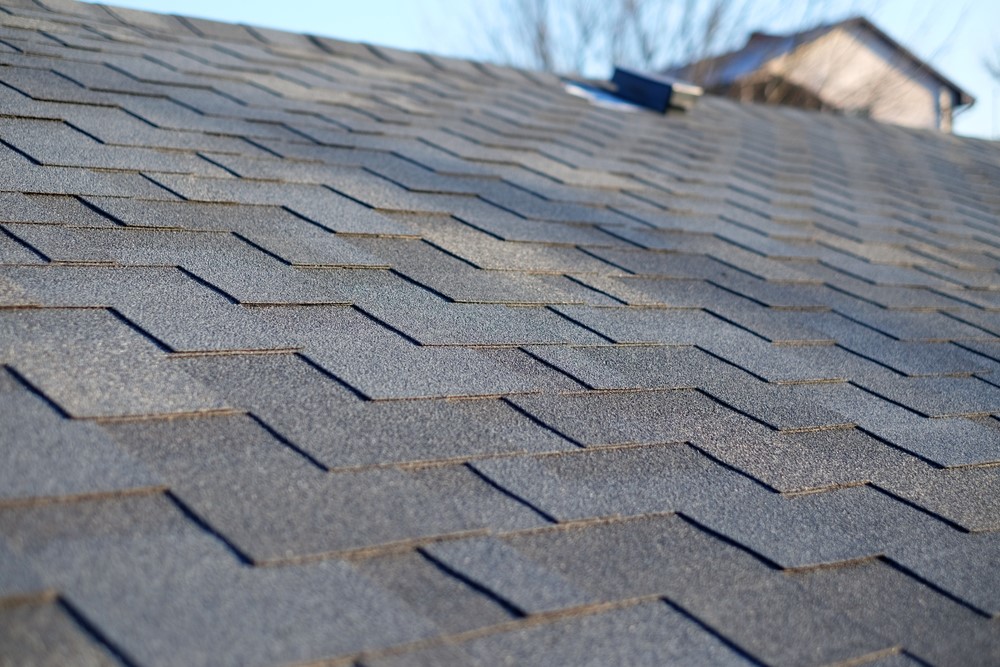
- Shingle condition and age
- Interior signs of leaks, water damage, and ventilation
- Structural support evaluation
- Flashing and seal examination
Roofing Materials Best for Solar Panel Installation
Selecting the right roofing materials is crucial for successful solar panel installations. Both asphalt shingles and metal roofing offer distinct advantages, with metal roofs generally providing superior durability and longevity. Flat roofs, with their optimal angle for solar arrays, are also popular but may require specialized installation techniques. The structural integrity of these materials, along with their ability to bear the additional weight of solar panels, plays a critical role in maximizing energy production while ensuring compliance with local regulations.
Asphalt Shingles vs Metal Roofing for Solar Panels
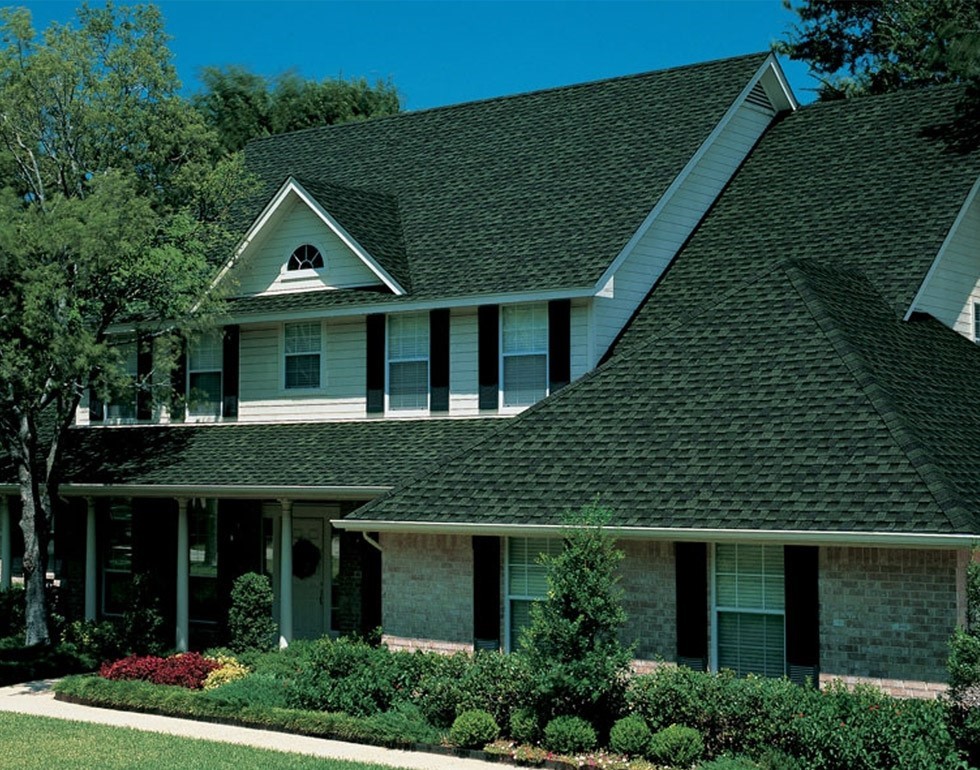
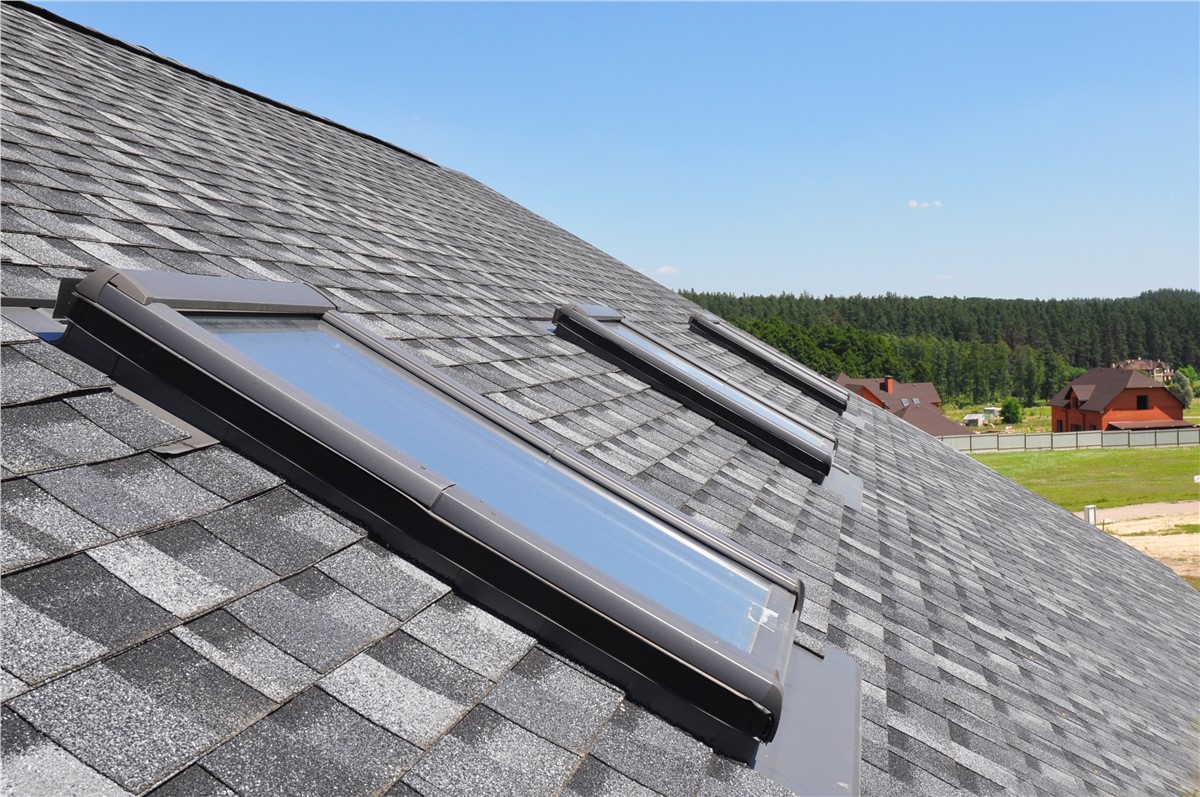
Choosing between asphalt shingles and metal roofing for solar panel installations involves considering several important factors. Asphalt shingles, the most common roofing material, provide adequate support for solar panels but may require additional roof strengthening if they are worn or nearing the end of their lifespan. Conversely, metal roofing offers superior structural integrity and durability, ideal for handling the added weight of solar arrays, especially in regions prone to extreme weather. Both options can contribute positively to your solar investment when carefully evaluated.
Ideal Roof Types and Styles for Solar Projects
Certain roof types are particularly advantageous for solar projects. Flat roofs offer flexibility, allowing for optimal solar panel placement and ease of installation because they can support the added weight with proper roof support. Conversely, sloped roofs, such as those made from asphalt shingles or metal, can facilitate better sun exposure while also ensuring proper drainage, critical for longevity. Tile roofs also work well, provided they are structurally sound, as they can withstand additional weight and extreme weather challenges.Prioritizing the right roofing style is essential for successful solar panel performance.
The Role of Roofing Material Quality in Long-Term Solar Success
The quality of your roofing materials is crucial to the success of your solar investment. At Boss Roofing Siding Experts, we use premium GAF products to provide a reliable base for your solar panels, ensuring they stay secure in all weather and protecting your energy production. Investing in a quality roof means you won’t need a replacement before your panels reach their end of life.
While solar panels can protect the covered portions of your roof from sun, rain, and hail—slowing wear and tear—this benefit only applies if the roof is already in good condition. Poor-quality roofs will still degrade under solar panels.
Starting with a high-quality roof is the best way to protect both your home and solar performance. With our BBB A+ rating and GAF Triple Excellence awards, we’re committed to using the best materials so your roof and solar panels work together for decades, maximizing protection and energy savings.
Roofing Upgrades and Preparation Prior to Solar Installation
Ensuring the roof is primed for solar panel installations is crucial. Assessing the condition of your roof involves determining its structural integrity and identifying any necessary upgrades or repairs. By addressing issues like roof leaks or the age of your roof, you can enhance the stability required to support the additional weight of solar panels. This careful planning not only boosts energy production but also guarantees compliance with local regulations, alleviating concerns of costly removal or repairs in the future.
Should You Replace or Repair Your Roof First?
When considering solar panel installation, assess whether to replace or repair your roof first. A sound roof supports optimal solar performance, preventing future issues. Consulting with roofing experts can help determine the best approach to ensure a successful solar investment.
Strength Testing: Is Your Roof Ready for Solar Panels?
A critical step before installing a solar panel system is confirming your roof's structural integrity. Solar panels add weight to your roof, typically around 2-4 pounds per square foot. While most modern roofs are built to handle this added weight, a professional assessment is necessary to be certain. A qualified roofing contractor will inspect your roof structure to ensure it can safely support the entire system for decades.
The inspection involves examining the key components of your roof support system. An expert will check the condition and spacing of the roof rafters and trusses to verify they can carry the load. They will also look for any signs of sagging, water damage, or rot that could compromise the roof's strength. This evaluation provides a clear answer on whether your roof is ready for solar panels. At Boss Roofing Siding Experts, we have nearly two decades of experience evaluating roofs in the Dekalb, IL, area.
Recommended Roofing Brands and Solutions in Dekalb, IL
For homeowners in Dekalb, IL, choosing the right roofing is key to a successful solar project. We partner with GAF, a leader in durable, high-performance roofing. As a GAF Master Elite Contractor, we install roofs built to last and provide a solid foundation for solar panels—meeting all local codes.
Our premium GAF roofs prevent leaks and structural issues that can jeopardize your solar investment. With our solutions, you get long-term reliability for your solar system.
We recommend:
- High-performance GAF asphalt shingles with extended warranties
- Expertly installed underlayment and flashing to prevent leaks
- Ventilation systems to maintain roof integrity
Contact Us
Understanding how your roof impacts solar panel installation is key to maximizing both roof longevity and solar efficiency. At Boss Roofing Siding Experts in Dekalb, IL, we ensure you have a solid foundation before investing in solar. By evaluating your roof’s condition and material, we recommend repairs, replacements, or upgrades as needed. As a GAF Master Elite Contractor dedicated to keeping families safe, we offer reliable support and expertise. Contact us today for more information or commercial project quotes.
Frequently Asked Questions
What is the 33% rule in solar panels?
There is no official "33% rule," but the concept refers to finding the optimal angle for solar panels to maximize energy production. For most solar installations in the U.S., tilting panels at an angle of 30-40 degrees helps capture the most sunlight, ensuring your solar system performs efficiently.
What happens to solar panels if I need a new roof?
If you need a new roof after solar panels are installed, the panels must be professionally removed and then reinstalled after the roofing work is complete. This process involves costly removal and can disrupt your energy savings, highlighting the importance of ensuring your roof's structural integrity first. Read our blog: Modified Bitumen vs. TPO: Which Flat Roof System Is Better?
Subscribe to Boss Roofing-Siding Experts's Blog


Comments