
Choosing a roof involves more than just selecting shingles. The shape of your roof plays a critical role in your home’s appearance and protection. Different roof shapes and designs offer distinct advantages, from weather resilience to aesthetic appeal. Understanding these options, along with the right roofing materials, helps you make an informed decision that keeps your family safe and dry, fulfilling our mission at Boss Roofing Siding Experts.
Why Roof Shape Matters for Homes
The shape of your roof is a fundamental element of your home’s structure. It dictates how your home withstands weather and influences its overall architectural character. The right roof shape ensures proper water drainage and can improve energy efficiency.
Your choice of roof style also contributes significantly to your home’s visual identity. Whether you prefer a classic or modern look, the style of roof you select is key to achieving the desired curb appeal. It works together with your siding and roofing materials to create a cohesive exterior.
Impact on Durability and Maintenance
Durability and maintenance are heavily influenced by the chosen roof shape. Gabled roofs, for instance, offer improved water drainage due to their triangular extension, reducing the risk of water damage and prolonged maintenance under severe storms. Conversely, hip roofs, with their sloping sides, tend to provide better wind resistance, making them ideal in areas prone to strong winds. Selecting a roof type that aligns with the local weather conditions can lead to greater energy efficiency and significant cost savings over time.
Effect on Style and Curb Appeal
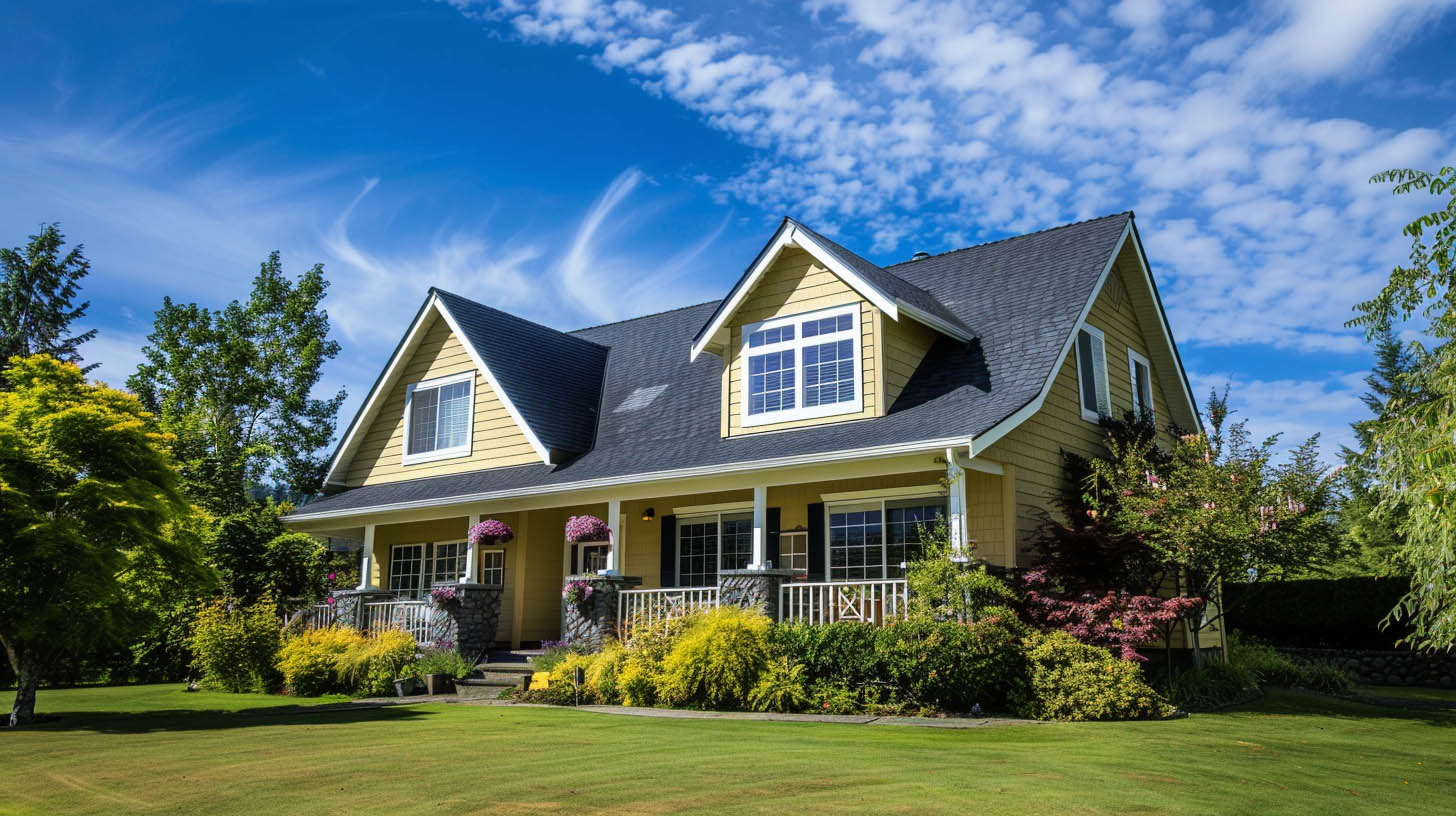
Distinct roof shapes can significantly enhance the overall style and curb appeal of a home. For instance, a classic gable roof with its triangular extension often complements traditional architectural styles, providing a timeless look. Alternatively, a skillion roof, characterized by its sloping design, can offer a modern aesthetic with a striking visual impact.
The choice of roofing materials—be it asphalt shingles or metal roofing—further influences the home’s appearance. Ultimately, selecting the right roof serves to create an inviting first impression, elevating the property’s visual appeal.
Gable Roofs Explained
A gable roof is one of the most recognizable roof styles in the United States, known for its distinct triangular shape. This design consists of two sloping sides that meet at a ridge, creating a simple yet effective structure for shedding water and snow.
The classic gable roof is a popular choice for its straightforward construction and practical benefits. Its simple form allows for excellent ventilation and ample attic space, making it a versatile option for many homeowners in the Aurora, IL, area.
Visual Characteristics of Gable Roofs
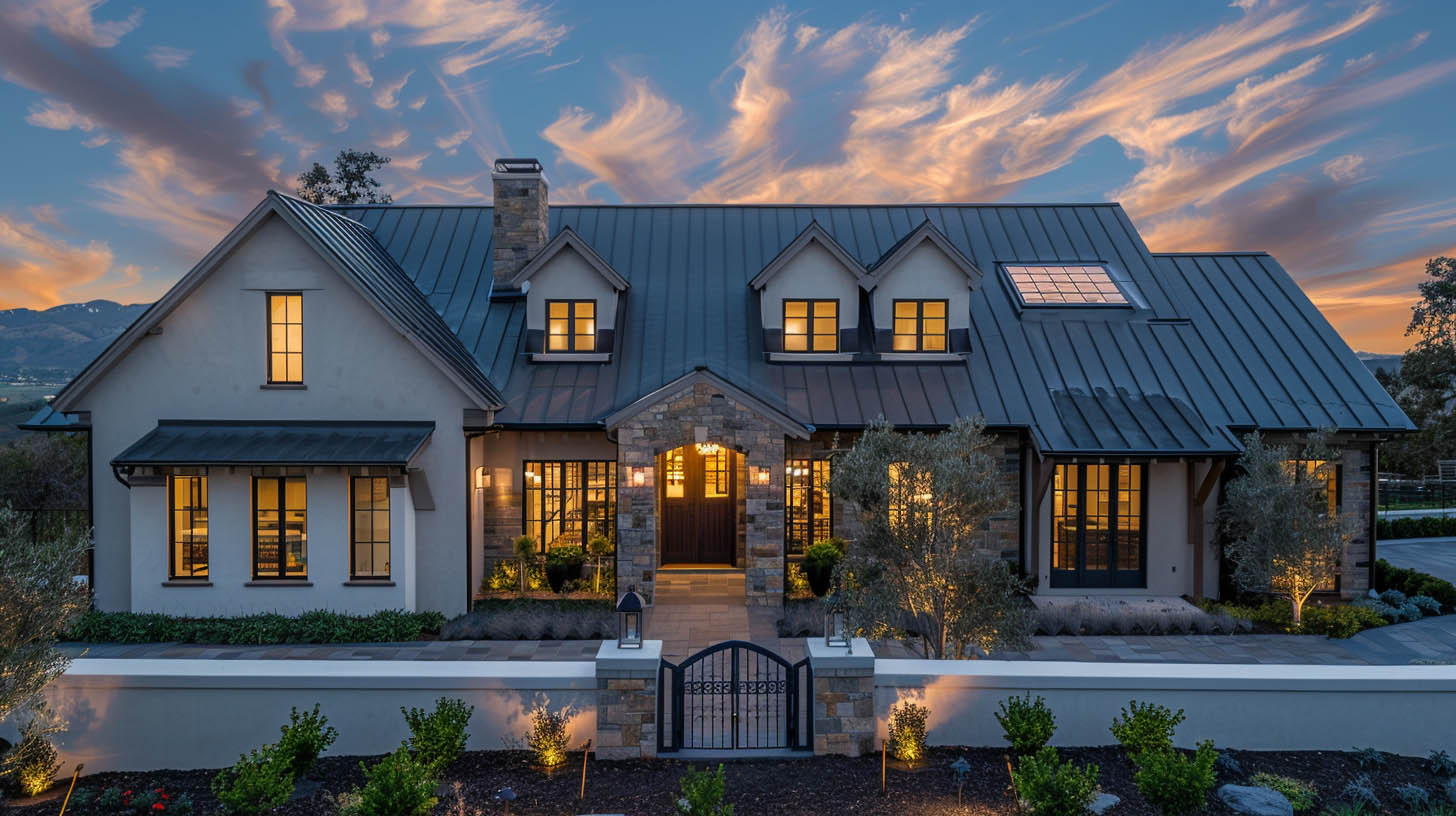
The classic gable roof is distinguished by its triangular shape, featuring two sloping sides that meet at the apex, forming a peak. This architectural style showcases vertical ends, enhancing its aesthetic appeal and providing ample attic space for ventilation and storage. Often constructed with asphalt shingles or metal roofing, the design ensures effective water runoff, mitigating water damage. Gabled roofs are also versatile, accommodating solar panels without compromising visual impact or durability in severe weather conditions.
Pros and Cons of Gable Roofs
The classic gable roof offers numerous benefits, including excellent water drainage that reduces the risk of water damage during heavy rainfall. Its triangular shape allows for ample attic space, ideal for storage or living areas. However, drawbacks exist. In severe storms or high winds, gabled roofs can be vulnerable, especially without proper reinforcement. Additionally, the steep slopes may result in higher roofing material costs. Weighing these pros and cons is crucial for making an informed decision when selecting your roof design.
Hip Roofs Explained
A hip roof, sometimes called a hipped roof, is characterized by its four sloping sides. These sides come together to form a ridge or, in some cases, a single peak, creating a shape that resembles a pyramid. This design is known for its stability and durability.
The continuous slope on all sides makes the hip roof inherently strong and self-bracing. This makes it an excellent choice for regions that experience high winds and heavy snowfall, providing reliable protection for your home.
Key Features of Hip Roofs
Characterized by sloping sides that meet at a ridge, hip roofs offer remarkable durability. Their design helps manage rainwater efficiently, reducing the risk of water damage and enhancing weather resistance during severe storms. The triangular extension at each corner contributes to improved air ventilation, making them energy-efficient structures. In addition, the sleek profile of a hipped roof heightens aesthetic appeal, allowing for a variety of architectural styles while providing ample attic space that can accommodate solar panels or additional storage.
Benefits and Drawbacks of Hip Roofs
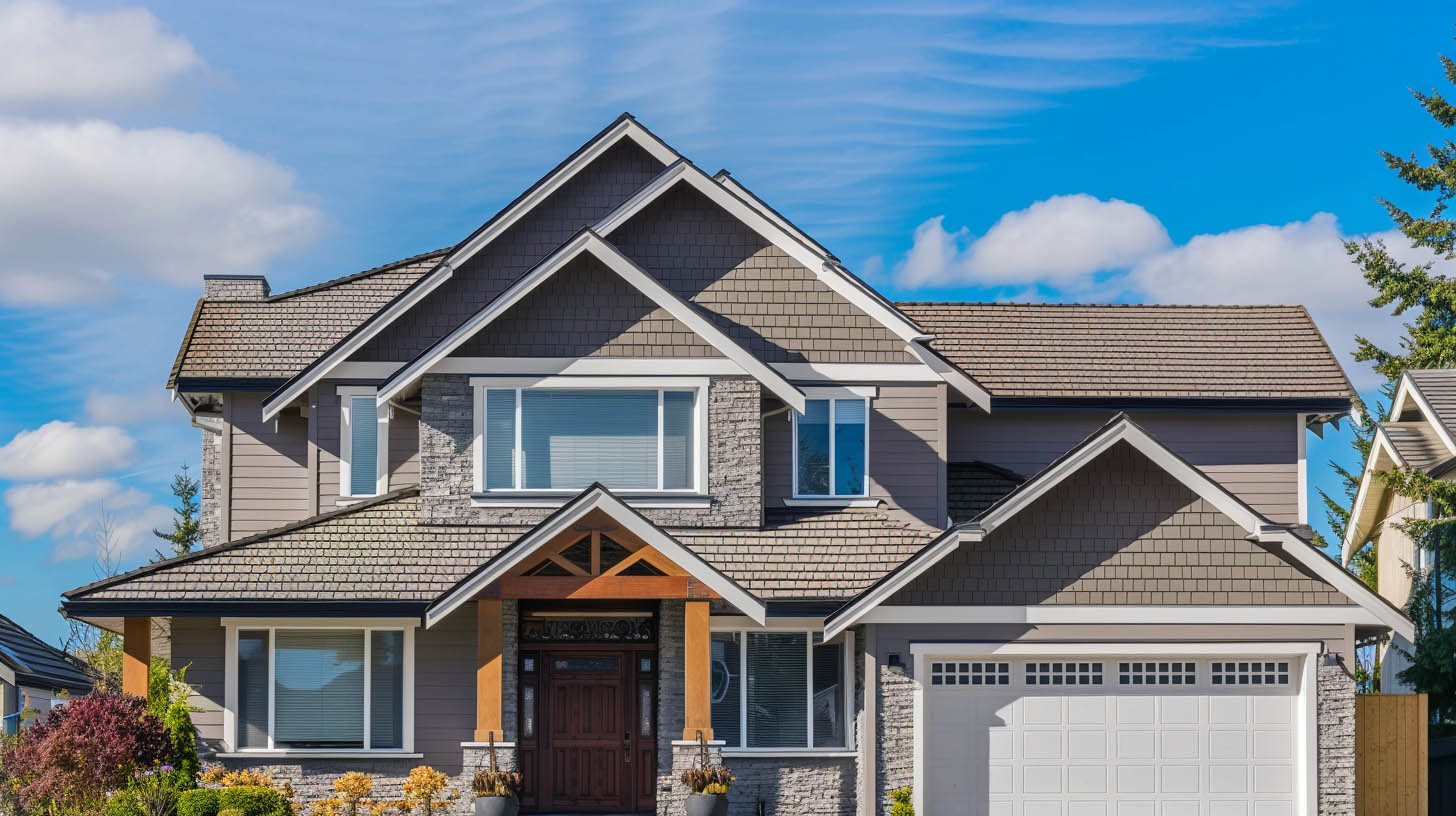
Versatile in architectural style, hip roofs offer several benefits, including enhanced wind resistance and effective drainage due to their sloped design. This makes them a better choice in regions prone to severe storms. Ample attic space can also be achieved, supporting energy efficiency and potential solar panel installations. However, the complexity of hip roofs often requires more materials, leading to a higher roof replacement cost. Additionally, the intricate construction may necessitate specialized labor, impacting overall budget considerations.
Comparing Gable and Hip Roofs
When deciding between roof types, homeowners often compare the gable roof and the hip roof. While both are popular choices, they have key differences in appearance, performance, and cost that are important to understand before making a decision for your home.
At Boss Roofing Siding Experts, we help you weigh these differences to find the perfect fit. Our goal is to ensure your new roof not only looks great but also provides the lasting protection your family deserves, backed by our GAF President’s Club Award status.
Differences in Appearance and Function
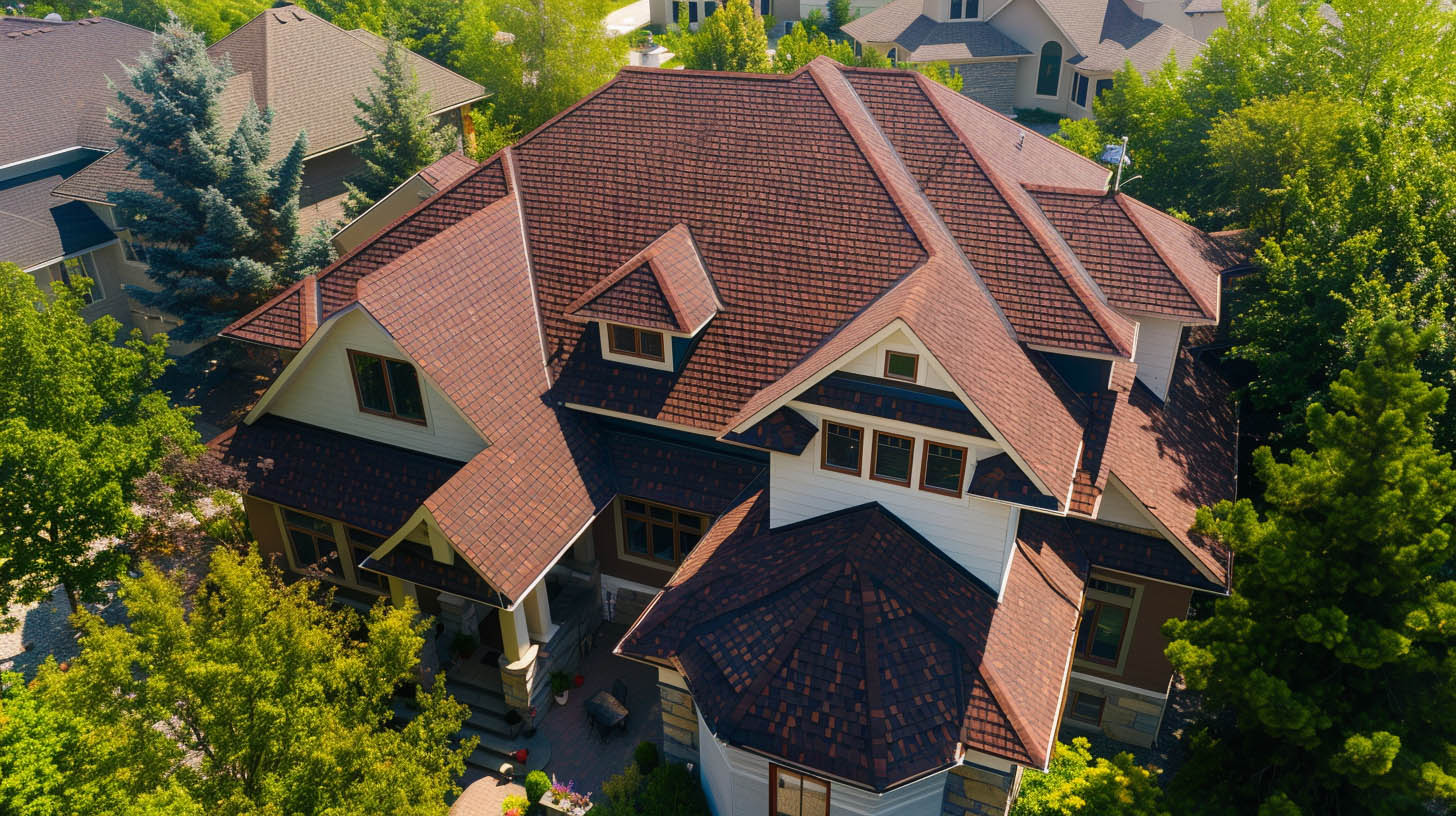
Distinct characteristics set apart various roof shapes, influencing both their visual appeal and functional benefits. A gable roof, with its triangular shape and sloping sides, often enhances the aesthetic charm of a home, while ensuring effective rainwater drainage and air ventilation. In contrast, a hipped roof presents a more complex design, offering greater wind resistance and stability against severe storms. Understanding these differences is essential for making an informed decision regarding roofing materials and maintenance needs.
Cost Comparison
Cost variations among different roof types greatly influence homeowner choices. Classic gable roofs typically utilize fewer materials, resulting in significant cost savings compared to complex designs like mansard or hipped roofs. Additionally, roofing materials play a crucial role; options such as asphalt shingles can be economical, while metal roofing may enhance durability and energy efficiency over time. Ultimately, understanding the financial implications of each roof shape helps homeowners make informed decisions that align with their budget and desired architectural style.
Other Popular Roof Shapes
Beyond gable and hip designs, there are several other common roof styles to consider. These alternative roof types offer unique aesthetic and functional benefits that can perfectly match specific architectural styles or homeowner needs.
Exploring these other roof designs can open up new possibilities for your home. From creating extra living space to maximizing natural light, each style has something different to offer. Let’s look at a few other popular options.
Gambrel and Mansard Roofs
Characterized by their distinctive profiles, gambrel and mansard roofs often enhance the aesthetic appeal of a home. A gambrel roof features two slopes on each side, allowing for ample attic space and often utilized in barns and colonial homes. In contrast, the mansard roof’s two slopes are more pronounced, maximizing both vertical space and visual interest. This roof style effectively offers weather resistance and accommodates various architectural styles, making it a popular choice in regions facing severe storms or heavy snowfall.

Flat, Shed, and Butterfly Roofs
Flat, shed, and butterfly roofs each offer unique benefits to homeowners. Flat roofs, characterized by their minimal slope, provide an efficient use of space and allow for easy installation of solar panels. Shed roofs feature a single sloping plane, promoting water drainage and maximizing interior height. Conversely, butterfly roofs, with their inverted triangular shape, enhance natural light while creating ample attic space. These designs not only contribute to a stylish architectural style but also demonstrate energy efficiency with the right choice of roofing materials.
Choosing the Right Roof for Your Home
Selecting the right roof for your home is a significant decision. Whether you are building new or planning a roof replacement, it is important to consider factors beyond just appearance to make an informed decision that you will be happy with for decades.
Our team at Boss Roofing Siding Experts is here to guide you through the process. As a trusted roofing company with a BBB A+ rating, we are committed to helping you choose a roof that provides safety, value, and beauty for your home.
Factors to Consider (Climate, Budget, Design)
Various elements play a crucial role in selecting the appropriate roof for your home. Climate significantly impacts the durability and efficiency of roofing materials, influencing choices like gabled roofs for high wind resistance or flat roofs that are less suited for heavy snowfall. Budget constraints also determine the feasibility of roofing options, with options ranging from asphalt shingles to metal roofing. Finally, design preferences ensure that aesthetic appeal aligns with architectural style, creating a cohesive look that enhances curb appeal.
Popular Architectural Styles Using Different Roof Shapes
The architectural style of a home is significantly influenced by its roof shape. For instance, classic gable roofs feature a triangular extension that complements colonial and farmhouse designs, while hipped roofs provide a refined look often seen in modern or Mediterranean styles. Mansard roofs, with their sloping sides, are popular in French architecture, emphasizing elegance and allowing for ample attic space. Each type of roof contributes to the overall energy efficiency and visual appeal, shaping the identity of the home within its landscape.
Let Us Help You Keep Your Family Safe and Dry
In summary, understanding the various roof shapes—like gable and hip roofs—is essential for making informed decisions about your home. Each type offers unique benefits that impact durability, maintenance, style, and even cost. Whether you’re drawn to the classic aesthetics of gable roofs or the stability of hip roofs, it’s crucial to evaluate your specific needs and preferences. At Boss Roofing Siding Experts in Aurora, IL, we are committed to guiding you through this process. If you’re ready to enhance your home with a new roof, get quotes from our experienced team today. Let us help you keep your family safe and dry.
Frequently Asked Questions
How do roof shapes affect home cost and maintenance?
A simpler roof shape, like a gable, generally costs less due to fewer materials and labor. Complex shapes are more expensive but can offer greater durability. Maintenance needs also vary; simpler roofs have fewer seams and potential leak points, while complex designs may require more attention.
What are the five main types of roof styles?
While many roof types exist, five of the most common are the gable roof, hip roof, mansard roof, flat roof, and skillion (or shed) roof. Each offers a unique combination of aesthetic appeal, functional benefits, and suitability for different architectural styles.
Read our blog: How a New Roof Impacts Your Home’s Energy Efficiency


