
When strong winds arrive, your roof is your home’s first and most important line of defense. Ensuring it has high wind resistance is not a luxury but a necessity for protecting your property and family. Choosing the right roofing material and ensuring it is installed correctly can make all the difference during severe weather. At Boss Roofing Siding Experts, we are dedicated to providing solutions that offer lasting security against the elements.
The Importance of Wind-Resistant Roofing in Naperville, IL
Naperville homeowners know how unpredictable weather and high winds can be. A standard roof may not withstand severe gusts, leading to costly repairs and stress. Investing in a wind-resistant roofing system protects your home and gives you peace of mind—no matter the weather. Wind-resistant roofs defend against both uplift and water intrusion, providing reliable protection. Knowing what features to look for is crucial to securing your home. Here’s why wind resistance matters for Naperville homes—and how we can help.
Why High Winds Are a Concern for Local Homes
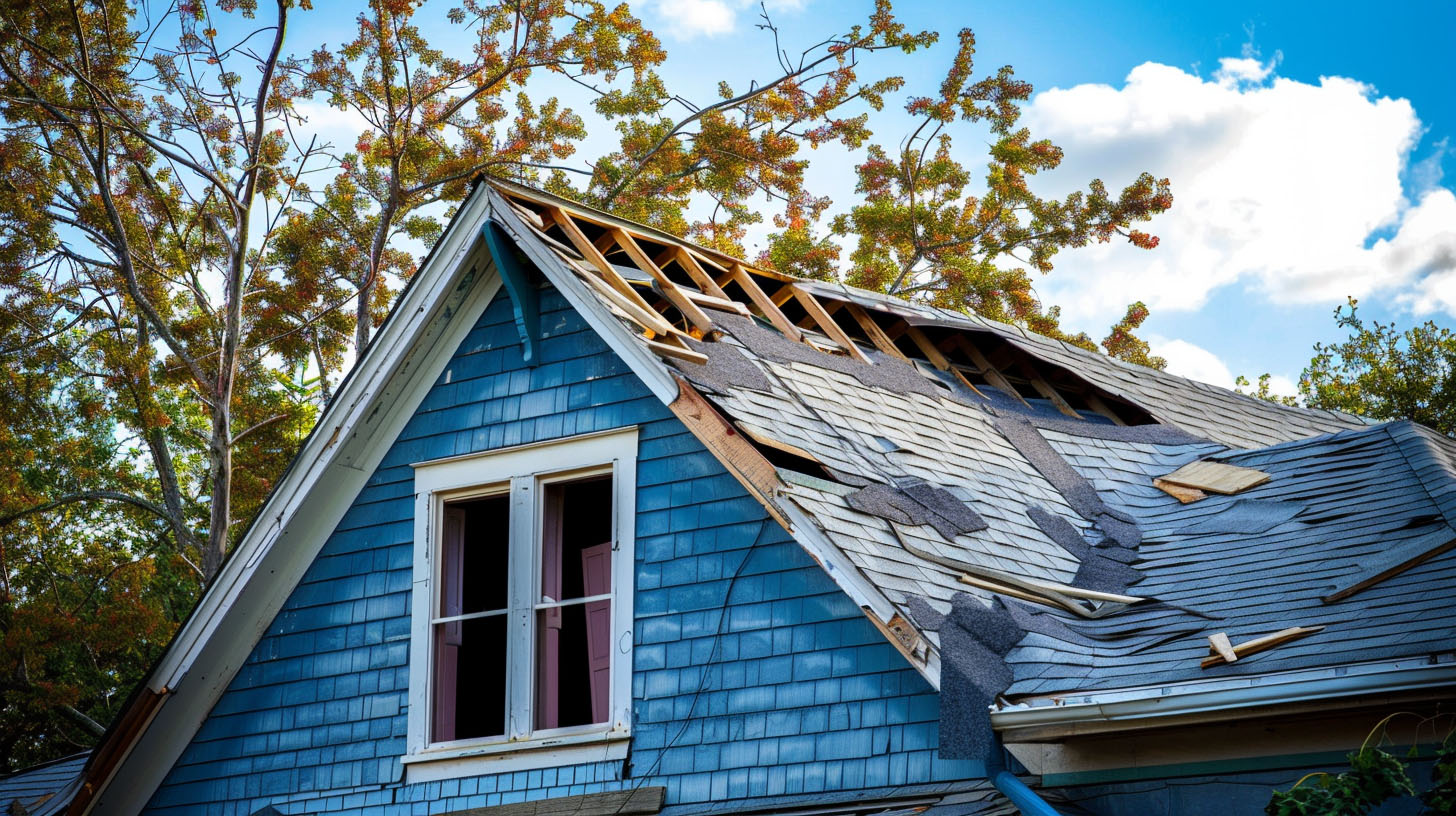
Strong winds exert powerful forces that can compromise your roof. Wind uplift creates pressure that loosens shingles, tiles, and panels, allowing more wind to strip away sections and expose the roof deck. This exposure leads to water damage and increases the risk of leaks and structural issues. Your roof’s ability to resist wind is crucial for protecting your home. Without proper wind resistance, storms can cause serious damage. Choosing a roofing system suited to our local climate helps keep your home safe and secure for years to come.
Boss Roofing Siding Experts—Commitment to Safety & Trust
For nearly 20 years, Boss Roofing Siding Experts has protected Naperville homes with our mission: “Keeping Families Safe & Dry.” Your roof is your first line of defense, so we use industry-leading practices to install durable, wind-resistant roofs.
As a GAF Master Elite Contractor—a rare distinction—we guarantee expert installation to the highest standards. Certified installation ensures true wind resistance. Our reputation is “Built on trust. Backed by excellence.” With awards like the GAF President’s Club, Triple Excellence, and an A+ BBB rating, we’ve earned recognition for superior quality and customer satisfaction. Choose us for proven protection and reliable service.

Key Features That Make a Roof Wind-Resistant
A wind-resistant roof is more than strong materials—it’s a system designed to prevent uplift. Durability, fastening methods, and roof shape all work together to keep wind from causing damage. High winds test every component, so choose roofing with high wind ratings and proven performance. Proper installation is also crucial for handling severe weather. Next, we’ll explore how wind load affects roofs and which designs offer the best protection.
Impact of Wind Load on Roofing Systems
Wind load is the force wind exerts on a building, especially the roof. When wind hits, it creates push and upward suction forces called uplift pressure—the main cause of wind damage. Uplift targets vulnerable areas like edges and ridges, weakening fasteners and adhesives over time. This can loosen shingles or panels, compromising the roof and increasing storm damage risk. Without proper uplift resistance, roofs may fail early, leading to costly repairs and water intrusion. Understanding wind load is key for durability. Systems with high uplift resistance stay secure during strong winds.
Selecting Materials and Designs Built for Strength
Choosing the right roofing material is crucial for protecting your home, especially in high-wind areas. Products like interlocking metal panels and heavyweight architectural shingles offer superior wind resistance compared to standard options.
Roof design also matters—certain shapes are more aerodynamic and better at deflecting wind, reducing roof stress. Combining quality materials with a smart design offers the best protection. As your trusted partner, we guide you through these choices and work with leading brands like GAF to ensure your roof delivers strength and durability.
Top Roofing Materials for High-Wind Performance
When it comes to resisting strong winds, not all roofing materials are the same. Selecting the best roofing material is crucial for preventing wind damage and ensuring your home stays safe during severe weather. Some options are specifically engineered for high-wind performance, offering superior durability and longevity. A wind-resistant roof is an investment in your home’s security. Materials like metal and specially rated asphalt shingles are excellent choices for their ability to withstand intense wind forces. Let’s examine the advantages of these top performers and see how they compare when protecting your home during a storm.
Advantages of Metal Roofing During Storms
Metal roofing is known for its durability and strong resistance to high winds. Standing seam systems use interlocking panels securely fastened to the roof deck, forming a unified shell that resists wind uplift. Many metal roofs are rated to withstand wind speeds of 140 mph or more, offering excellent protection during storms.
The smooth surface sheds debris and water effectively, reducing damage from wind-driven rain. Unlike other materials, metal roofs aren’t easily punctured or lifted, making them ideal for storm-prone areas.
Asphalt Shingles Rated for High-Wind Areas
Asphalt shingles are a popular roofing choice, especially in high-wind areas thanks to modern advancements. Architectural shingles are thicker and more durable than traditional 3-tab shingles, with some rated for winds up to 130 mph. As a GAF Master Elite Contractor, Boss Roofing Siding Experts offers top-quality GAF architectural shingles designed for harsh weather—combining strength, reliability, and aesthetic appeal for Naperville homeowners. Proper installation by certified professionals, including precise nailing patterns, ensures maximum wind resistance and long-lasting protection.
Roof Design & Installation Techniques for Maximum Resistance
The best roof materials can still fail if they are not installed correctly. Proper installation is the key to unlocking a roof’s maximum uplift resistance. Techniques such as specific fastening patterns, reinforced roof edges, and even the use of hurricane straps can dramatically improve performance. A well-considered roof design also contributes significantly to its durability during a storm.
It is this combination of expert installation and smart design that creates a truly resilient roofing system. Next, we will cover how proper fastening provides enhanced wind protection and which roof shapes are proven to reduce damage.
How Proper Fastening Increases Wind Protection
Strong fastening techniques are crucial for helping roofs withstand high winds. Properly securing shingles or metal panels improves wind resistance and reduces the risk of uplift, protecting both the roof and the home’s integrity during storms.
Using quality fasteners, such as hurricane straps and specialized nails—especially along edges and hips—is essential. Firmly attaching the roof deck to the house adds extra protection against wind damage. These practices make roofs more resilient and give homeowners peace of mind.
Get in Touch
In conclusion, ensuring your roof is ready for high-wind resistance is vital for homeowners in Naperville, IL. At Boss Roofing Siding Experts, we prioritize safety and trust, demonstrated by our GAF Master Elite Contractor status and GAF President’s Club Award. With nearly two decades of experience, we specialize in selecting materials and advanced installation techniques to protect homes from strong winds. Ready to enhance your home’s wind resistance? Contact us for a free consultation today.

Read our blog: Do Roofing Coatings Actually Work on TPO Systems?
Frequently Asked Questions
How can I tell if my current roof is wind-resistant?
Look for signs of roof damage like missing, loose, or curled shingles, which suggest your roofing system may not withstand wind uplift. For a definite answer, schedule a professional inspection to assess your roof’s condition and material rating.
What maintenance tips keep my wind-resistant roof performing its best?
Regular maintenance is key. Schedule annual inspections to check for loose fasteners, damaged flashing, or other minor issues before they worsen. Keeping your roof clear of debris also helps maintain its ability to withstand severe weather events effectively.


